Electrical Repair Services
Skilled electrician repairs to keep your home safe and powered reliably.

Contact us for a free, no obligation quote to get started today.
"*" indicates required fields
Home Electrical Repairs You Can Trust
Serving Kalama | Longview | Cowlitz County WA
When something goes wrong with your home’s electrical system, it can feel stressful. At Mr. Bright Electric, we specialize in stress-free residential electrical repairs for homeowners throughout Clark County and Cowlitz County WA.
Maybe you’ve noticed a light flickering in the hallway. Perhaps an outlet stopped working in your kitchen. Or you might be dealing with a breaker that trips every time you plug in the vacuum. These problems are more common than you think, and ignoring them rarely makes them go away.
Mr. Bright Electric’s approach is simple: we diagnose the real problem, explain what’s happening in plain English, and provide honest recommendations so you can make informed decisions about your home. Our electrical repair services are designed to restore safety and reliability to your home’s electrical system, from single dead outlets to multi-room power outages.
Contact us for a free, no obligation quote to get started today.
"*" indicates required fields
The Most Common Electrical Repairs We Take Care of
Dead or Non-Working Outlets
One of the most frequent calls we receive involves outlets that simply stop working. You plug something in, and nothing happens. Sometimes the problem is isolated to a single outlet. Other times, multiple outlets on the same circuit lose power together. This can happen because of a tripped GFCI outlet elsewhere in the house, a loose wire connection behind the outlet, or damage to the electrical wire repair within your walls.
Frequently Tripping Breakers
Your circuit breaker is designed to trip when it senses an overload or fault in the system. If your breaker trips occasionally when you’re running several high-powered appliances at once, that might be normal. But when a breaker trips repeatedly during normal use, that’s a sign something is wrong. The circuit might be overloaded, or there could be a short circuit or ground fault somewhere in the wiring.
Flickering or Dimming Lights
Lights that flicker or dim unexpectedly can be caused by several things. Sometimes it’s a simple fix like a loose bulb or a failing light switch. Other times, it points to a more serious problem with your home’s wiring or electrical panel. If the flickering happens throughout your house rather than in just one fixture, it could indicate an issue with your main electrical service.
Warm or Discolored Outlets & Switches
If an outlet or switch plate feels warm to the touch, or if you notice brown or black discoloration around it, this is a warning sign you shouldn’t ignore. Heat buildup at outlets and switches often indicates loose connections, damaged wiring, or an overloaded circuit. These conditions can lead to electrical fires if left unaddressed.
Buzzing or Humming Sounds
Your electrical system should operate quietly. If you hear buzzing, humming, or crackling sounds coming from outlets, switches, or your electrical panel, something is likely wrong. These sounds can indicate loose wiring, faulty breakers, or other issues that require professional attention.
Outlets That Spark
A small, brief spark when you plug something in isn’t always a problem. But large sparks, sparks that happen frequently, or sparks accompanied by a burning smell are serious warning signs. This could indicate damaged wiring, moisture in the outlet, or an outlet that has simply worn out over time.
When Do You Need a Repair vs. a Replacement?
The answer depends on several factors, and being honest about what your situation really needs is part of the clear, transparent communication we believe in at Mr. Bright Electric.
When a Repair Makes Sense
Many electrical issues can be solved with targeted repairs.
- A loose wire connection behind an outlet just needs to be properly secured.
- A faulty switch can be replaced without rewiring the entire circuit.
- A tripping breaker might just need to be replaced if it has gone bad.
In these cases, home electrical repairs are the most cost-effective solution, and there’s no reason to do more work than necessary.
When Replacement Is the Better Option
Sometimes, though, repair isn’t the best answer.
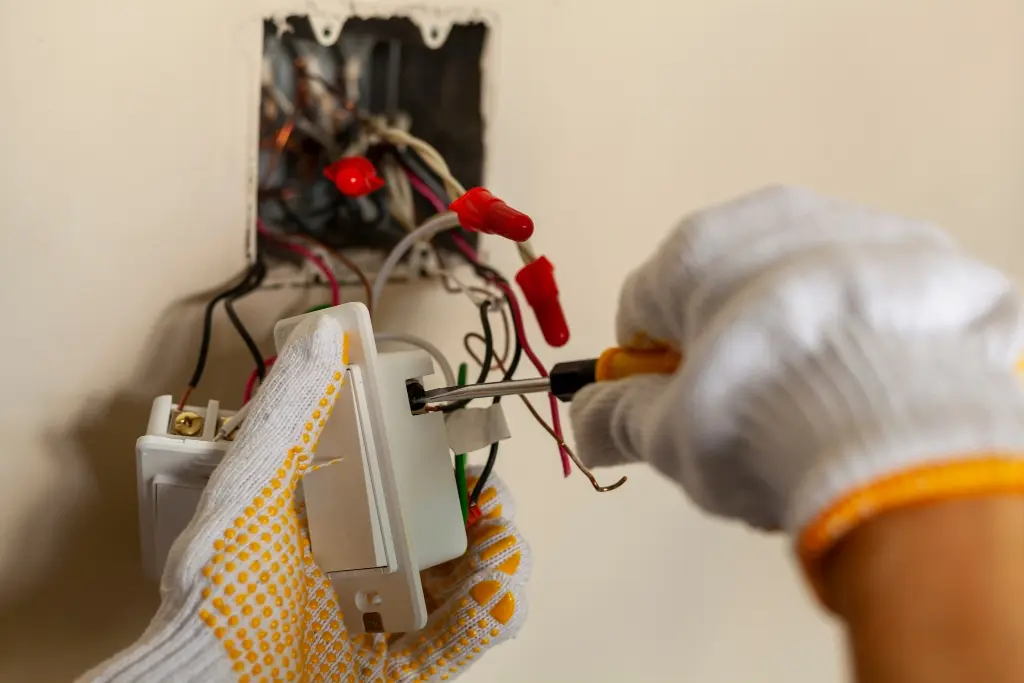
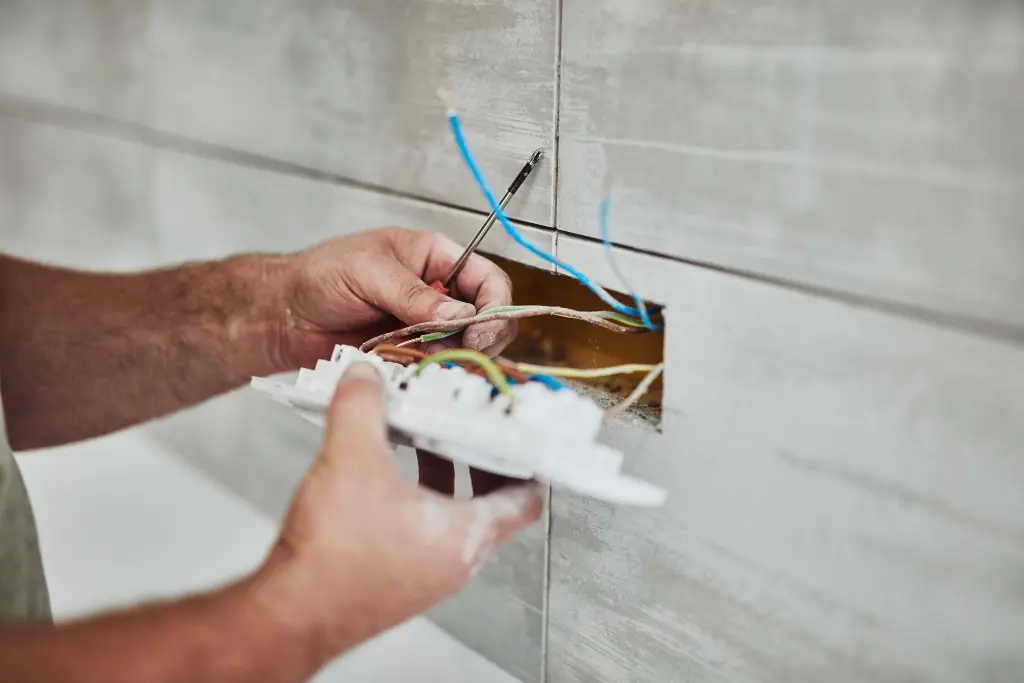
- If you’re dealing with old, deteriorating wiring (like the cloth-covered wiring found in many older Southwest Washington homes), patching one problem often just means another will pop up soon.
- If your outlets and switches are original to a decades-old home, they may be worn beyond safe operation, even if they seem to work.
- And if your electrical panel is outdated, too small for your home’s needs, or a recalled brand known for safety issues, replacement becomes a matter of protecting your family.

Get Started Today
If you’re ready to get started, give us a call and tell us about the requirements of your electrical project. If we don’t answer immediately, we’ll get back to you very soon. We reply to messages during business hours within one hour.
Contact us for a free, no obligation quote to get started today.
"*" indicates required fields
When DIY Works vs. When to Leave It to the Professionals
We respect homeowners who like to handle projects themselves. There’s satisfaction in fixing something with your own hands, and it can save money too. But electrical work is different from many other home repairs. The stakes are higher, and what you can’t see can hurt you.
Ask yourself honestly: Do I fully understand what I’m doing? Do I have the right tools and testing equipment? Am I confident in my ability to do this safely and correctly? If the answer to any of these questions is no, it’s worth calling for professional home electrical repairs. The cost of hiring an expert is far less than the cost of an electrical fire, injury, or damage to your home.
When DIY Is Appropriate
Many electrical issues can be solved with targeted repairs.
- A loose wire connection behind an outlet just needs to be properly secured.
- A faulty switch can be replaced without rewiring the entire circuit.
- A tripping breaker might just need to be replaced if it has gone bad.
In these cases, home electrical repairs are the most cost-effective solution, and there’s no reason to do more work than necessary.
When to Call an Electrician
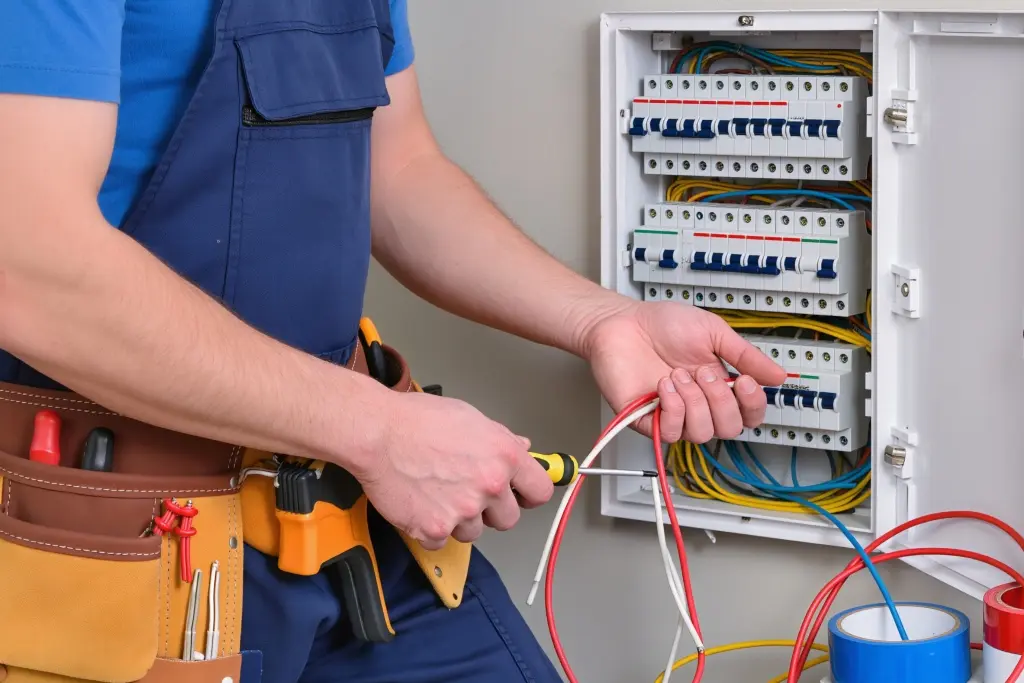
However, many residential electrical repairs should only be performed by a licensed electrician.
- Any work inside your electrical panel should be left to professionals. This includes replacing breakers, adding new circuits, or upgrading your panel. The consequences of mistakes in the panel can be severe.
- Any work that involves accessing wiring inside your walls, running new circuits, or adding new outlets and switches should be done by someone with proper training and licensing. Electrical work that doesn’t meet code can create hazards, void your homeowner’s insurance, and cause problems when you try to sell your home.
- If you’re dealing with a problem you can’t clearly identify and solve (flickering lights throughout the house, circuits that trip repeatedly, or any sign of burning or melting), these situations require professional diagnosis and electrician repairs.
How to Diagnose Electrical Issues Yourself
There are a few simple checks you can perform safely to better understand what’s happening:
- Check your breakers and GFCI outlets first. Look for any breakers that have tripped. A tripped breaker won’t be fully in the “off” position. It usually sits somewhere in the middle. To reset it, push it firmly to “off” first, then back to “on.” Also check your GFCI outlets. These are the outlets with the small “test” and “reset” buttons, typically found in bathrooms, kitchens, garages, and outdoor areas.
- Test the outlet itself. If the breaker hasn’t tripped and your GFCIs are fine, try plugging a lamp or phone charger (something you know works) into the problem outlet. This confirms whether the outlet is truly dead or if the issue is with whatever device you were trying to use.
- Look for patterns. Pay attention to when problems occur. Does the breaker trip only when you use a specific appliance? Does the flickering happen at certain times of day? Do multiple rooms lose power at the same time? These patterns provide valuable clues about the source of the problem and help us diagnose the issue faster when you call for house electrical repair service.
- Know when to stop. These basic diagnostic steps are safe for any homeowner. But if you’ve checked the obvious causes and the problem persists, it’s time to call for professional electrical service repair.
Preventative Maintenance at Home
The best electrical repair is the one you never need. While you can’t prevent every electrical issue, regular maintenance and smart habits can help you avoid many common problems:
- Don’t overload your circuits. When you plug too many high-draw devices into one circuit, you’re asking for trouble. Avoid daisy-chaining power strips or running multiple space heaters, hair dryers, or other high-wattage appliances on the same circuit.
- Use surge protection. Whole-home surge protection, installed at your main electrical panel, shields your entire house from damaging voltage spikes. This is one of the best investments you can make to protect your appliances, computers, and other sensitive electronics.
- Have your home inspected if it’s older. Older homes (built before 1970) may have outdated wiring types, panels that are too small for modern electrical demands, or other conditions that increase fire and safety risks. An inspection can identify these issues before they cause problems.
- Address any small issues promptly. When you notice something minor (an outlet that feels warm, a switch that sticks, a light that occasionally flickers), don’t wait to have it checked out. These small symptoms often indicate developing problems that are much easier and less expensive to fix early.
Why You Should Never Avoid Getting a Repair
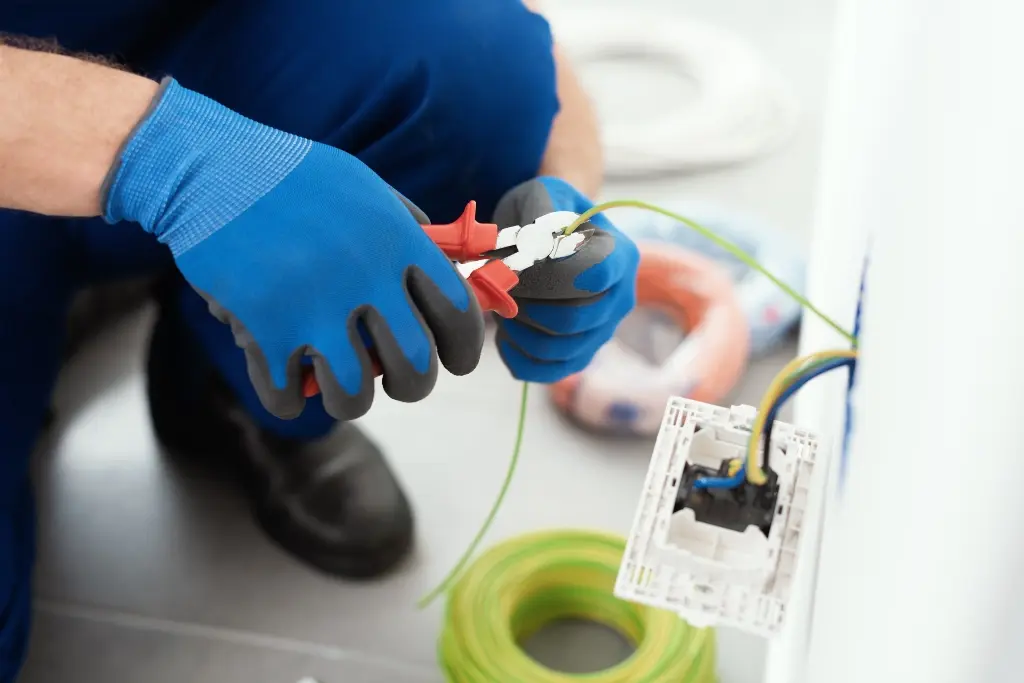
The risk of fire is the most important reason not to ignore electrical problems. Faulty wiring, loose connections, and overloaded circuits generate heat. That heat can ignite insulation, wood framing, or other combustible materials inside your walls.
Damaged outlets, frayed wiring, and faulty connections create shock hazards. This is especially concerning in homes with children, who may stick fingers or objects into outlets, or in areas where water is present, like bathrooms and kitchens. Even a minor shock can be frightening, and more serious shocks can cause injury or worse.
Electrical problems can damage everything plugged into your home’s circuits. Power surges, voltage fluctuations, and unstable circuits can shorten the life of your refrigerator, damage your television, or fry your computer. Also, small electrical problems tend to become big electrical problems over time. What could have been a simple outlet replacement becomes a more involved repair requiring access to the wiring inside your walls.
If you’re thinking about selling your home, unresolved electrical issues will likely show up during the buyer’s inspection. This can complicate or delay your sale, reduce your selling price, or require emergency repairs under deadline pressure.

The Mr. Bright Electric Difference
When you choose Mr. Bright Electric for your home electrical repairs, you’re choosing a local, independently owned company that treats every home like it’s our own. We take a safety-first approach, solving the root causes of electrical issues rather than just treating symptoms. You’ll also get honest evaluations and recommendations based on your actual needs, not a sales pitch for services you don’t need.
Let’s get your home’s electrical system working safely and reliably! Give us a call today to tell us about your electrical project. We return all messages during business hours within one hour.
Get a Call Back
Get Your Free Estimate
Have questions? We’re here and ready to answer them.
"*" indicates required fields